Spotlight Solutions: Grows in Rows Interview
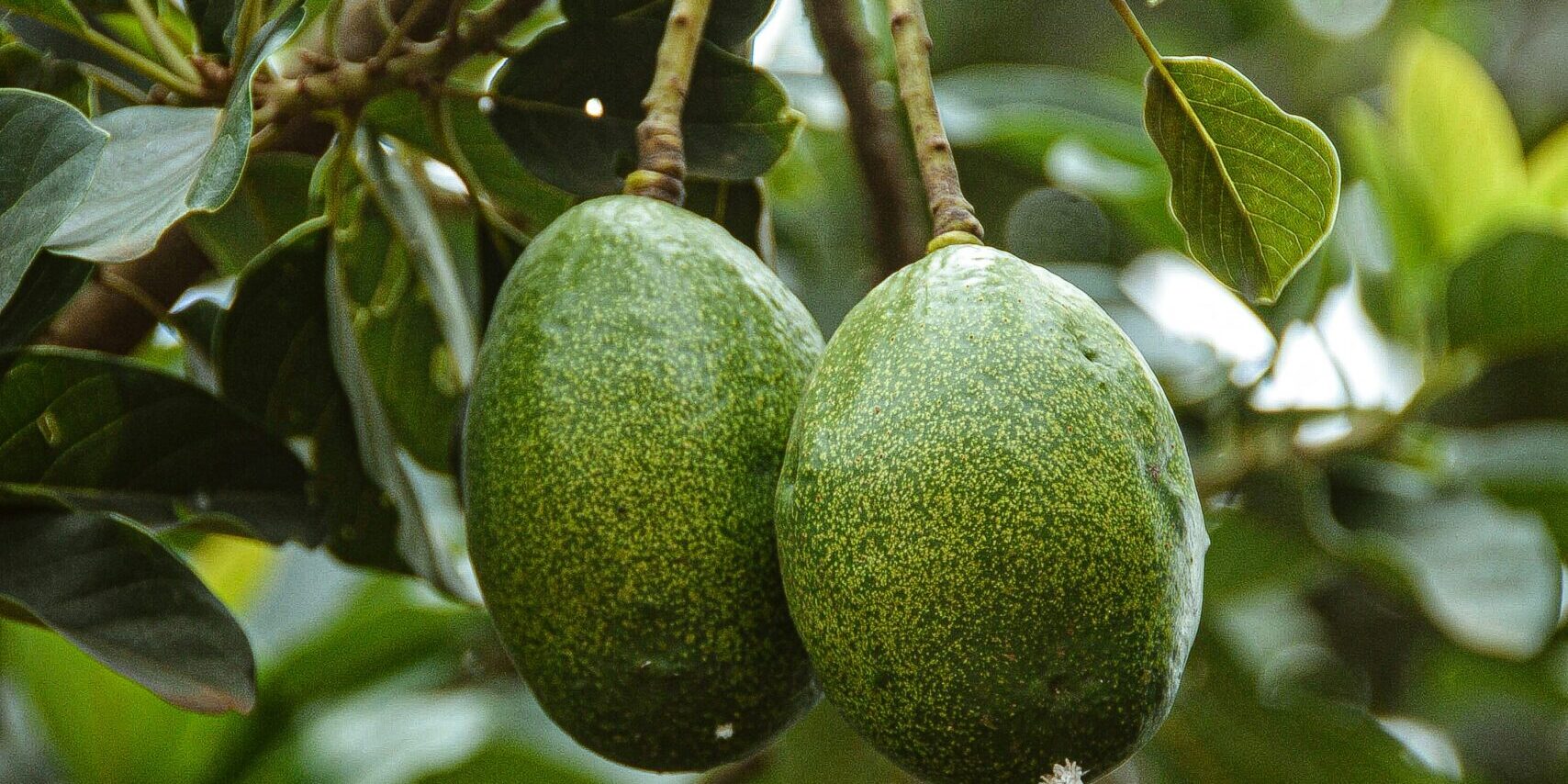
Grows in Rows is a Nigerian-based company working to empower smallholder farmers and use data to design better value chain interventions. They recently undertook a TCA analysis of the emerging avocado value chain in South Kaduna, a savanna region located in Nigeria’s Middle Belt.
For this month’s Spotlight Solutions interview, Grows in Rows Team Lead, Emmanuel Anchaver, describes the challenges and potential of using TCA in this context, and how Grows in Rows plans to apply TCA to other early-stage value chains, ensuring that sustainability is embedded from the outset.
Can you share an overview of Grows in Rows, how it started and what your core objectives are?
Since its inception, Grows In Rows has worked within smallholder dominated agricultural value chains: buying, aggregating, and dealing with the day-to-day realities on the ground.
This experience exposed consistent problems. Systems are fragmented, data is weak or completely unavailable, and decisions are often made without a clear understanding of how value chains really function. Smallholders are not able to plan for the long term, while interventions are often too generalised and lack alignment with the specific constraints present in different value chains.
Our focus has therefore evolved: working to improve our understanding in order to structure these systems better. Through initiatives like RootNote, we focus on bringing clearer structure around costs, risks, and how these value chains actually function in practice, with the aim of helping policymakers, investors, and development organisations design more targeted interventions.
In your analysis of Southern Kaduna’s emerging avocado value chain, what were the key findings in terms of environmental and social externalities?
One of the key things we learned is that many of the externalities are not hidden, they are just not measured. On the environmental side, production is heavily rain-fed, which creates real exposure to climate variability. At the same time, input use is low, which is a positive but not recognised in pricing. Socially, labour is mostly family-based and unpaid, so actual labour costs are understated. Losses from poor infrastructure are also largely absorbed by farmers. Overall, the system shifts a lot of cost and risk onto smallholders who often treat avocado as a secondary crop. Because production is informal and data is limited, the value chain is currently difficult for investors to engage with. However, this is exactly where targeted support can unlock improvements in both productivity and resilience.
What were the challenges of using the TCA methodology in this context?
The main challenge was that the system does not naturally produce the kind of data the methodology requires. Trade happens in baskets, sacks, or per fruit, not in standard units. Most farmers do not keep records, so a lot of the data comes from recall. Ownership of trees and land, and the rights to harvest and sell fruit can also be shared or inherited, which makes it harder to clearly assign costs and benefits. So before even getting into valuation, there is a layer of basic structuring that needs to happen to make the system “measurable”.
What adaptations were required to use the methodology?
A lot of the work was about translating the system into something that could actually be analyzed. That meant converting informal trade units (e.g., baskets and sacks) into standard measures, creating structures for data collection, and carefully mapping how production and ownership work in practice. Farmer knowledge is often experience-based, so the challenge was capturing that without oversimplifying it.
Enumerator training was also critical to keep things consistent across locations. This helped ensure that questions were interpreted consistently and responses were recorded in a standardised way across locations. Overall, it was less about changing the methodology, and more about making the context workable for it.
How will the findings of this analysis be used going forward? And what are your plans for the future of Grows in Rows?
The findings are useful in showing where the real pressure points are in the value chain. With this perspective we can have a closer look at things like measurement gaps, post-harvest losses, and how risks are distributed. That helps make interventions more targeted rather than generic.
Going forward, the intention with RootNote is to build on this as a structured approach, applying it to other value chains and strengthening the implementation side of this kind of work. The focus is on making these systems easier to understand, measure, and work with, especially in early-stage contexts. For farmers to maintain consistent records, it helps if they are organized into groups or cooperatives – we don’t want to burden them with complex data requirements.
Our long term goal is to build a pipeline of investable projects based on clearly identified social and environmental risks. This allows interventions to be designed and implemented in a more controlled way, while ensuring that as these value chains scale, sustainability is built in rather than added later.
Visit Grows in Rows’ website and follow them on LinkedIn.